
Minister Willie Aucamp: Ministerial breakfast meeting of the African Ministers of Environment
Venue: The Agora, UN Wellness and Events Centre, UNON Complex
Theme: Advancing sustainable solutions for a resilient Africa
Excellencies,
Distinguished Ministers,
Partners,
Ladies and Gentlemen,
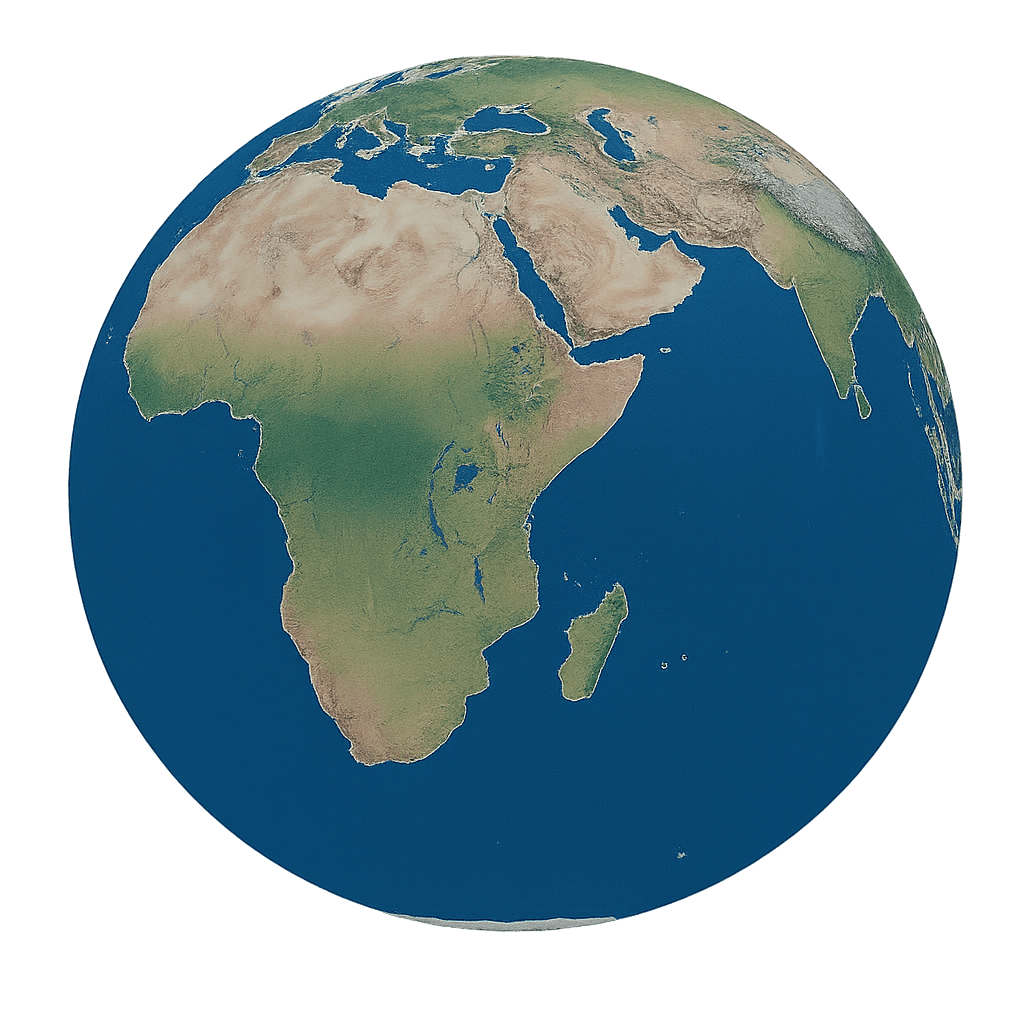
It is an honour to address you at a defining moment for our planet and for our continent. Africa is at the frontline of the triple planetary crisis - climate change, biodiversity loss, and pollution - and yet we contribute the least to global greenhouse gas emissions. The stakes for our people are high, but so too is our ambition.
Africa’s voice and agency within the G20 are growing. Under South Africa’s Presidency, the G20 Leaders’ Declaration adopted on African soil reaffirmed the Paris Agreement, elevated Africa’s priorities - from climate change, environment, just energy transitions to food security and clean cooking - and advancing reforms for debt sustainability and fairer access to finance. The G20 Leaders adopted a comprehensive Declaration, which translated discussions toward implementation pathways, a signal that our world needs fewer procedural battles and more practical cooperation.
We should therefore come with clear priorities and practical solutions, anchored in solidarity, equality, and sustainability - values that have resonated throughout recent African and G20 deliberations, and which must now translate into measurable action.
First, on climate finance, Africa’s ambition must be matched by delivery of adequate and predictable means of implementation. We reiterate the call to double adaptation finance, and we underline the urgent need to operationalise the Loss and Damage Fund so that countries can recover from climate shocks without deepening debt distress. We welcome the G20’s renewed emphasis on scaled-up, predictable climate finance and reform of multilateral institutions to better serve developing countries, including Africa’s enhanced representation within global financial governance.
The G20 also recognised the need for increased global investments to meet our climate goals of the Paris Agreement and to rapidly and substantially scale up investment and climate finance from billions to trillions globally from all sources. In this regard, it is essential to align all relevant financial flows with these objectives while scaling up finance, capacity building and technology transfer on voluntary and mutually agreed terms, taking into account the priorities and needs of developing countries.
Second, climate change adaptation and resilience must be mainstreamed across planning and budgets. Droughts, floods, cyclones, sea level rise, and heat extremes already cost lives and livelihoods every year. The G20’s and COP30’s call to triple adaptation finance by 2035 and to make National Adaptation Plans investible is essential. Within this context, Africa is advancing early warning systems, climate resilient infrastructure, parametric insurance for climate risks, and ecosystem based solutions - from mangrove restoration to watershed protection. Let us partner to build robust investment pipelines that convert plans into projects, and projects into resilience on the ground.
As the G20, we stressed the importance of mainstreaming adaptation into relevant public policy, and the implementation of the UAE Framework for Global Climate Resilience. We will also promote and support the development and implementation of early warning systems and action on the impacts of climate change, including extreme weather events and support disaster risk reduction solutions in line with national circumstances, needs and priorities. We recognise the need for urgent and enhanced action and support for averting, minimising and addressing Loss and Damage associated with climate change impacts.
Third, our development pathway depends on a just energy transition that expands access while cutting emissions. Over 600 million Africans still lack electricity, and nearly a billion rely on biomass for cooking. Energy poverty is a climate and health emergency.
We should welcome the G20 recognition of the need for tailored transition pathways, support for tripling global renewable capacity, and initiatives aiming to connect hundreds of millions to modern energy - provided these are backed by concessional finance, technology transfer, and African-led planning. Africa is ready to scale solar and wind, mini grids, clean cooking, and regional power pools, if the financing terms are fair and if projects are built with communities.
Fourth, we must confront pollution and waste with a circular economy lens, as envisaged in the African Union Continental Circular Economy Action Plan. This approach aligns squarely with the South African G20 Environment and Climate Sustainability Working Group priorities on chemicals and waste management, as well as addressing pollution alongside adopting initiatives that promote resource efficiency, the Expanded Producer Responsibility (EPR) as well as calling for public private investment in waste infrastructure. In this regard, we invite partners to scale investment in materials recovery, safe landfill remediation, and plastic pollution reduction, creating green jobs and healthier cities.
Furthermore, the open burning and dumping of waste poison our air, our soils, and our waterways and they add avoidable greenhouse emissions. It will be recalled that African ministers have endorsed a regional roadmap to eliminate open burning and dumping by 2040, with a 60% reduction by 2030.
Lastly, under South Africa’s Presidency, Environment and Climate Ministers achieved two historic firsts for the G20: the Cape Town Ministerial Declaration on Crimes that Affect the Environment and the Cape Town Ministerial Declaration on Air Quality. These issues are both recognised as priority issues for Africa, and the Declarations highlight the importance and urgency of addressing poor air quality as well as taking action to address crimes that affect the environment, such as illegal wildlife trafficking, illegal logging and illegal dumping of waste and hazardous chemicals.
Excellencies, the time for talking is long past, the time for action is now. Africa stands ready to lead with solutions that protect people and planet, strengthen economies, and deepen regional integration.
Let us match ambition with delivery, and turn commitments into credible, financed, and implementable programmes that transform lives across our continent.
Thank you.
#GovZAUpdates
Legal Disclaimer:
EIN Presswire provides this news content "as is" without warranty of any kind. We do not accept any responsibility or liability for the accuracy, content, images, videos, licenses, completeness, legality, or reliability of the information contained in this article. If you have any complaints or copyright issues related to this article, kindly contact the author above.
